What is Key Account Management?
Key Account Management is a strategic approach to managing an organisation’s most important customers.
Rather than treating every customer the same, Key Account Management focuses time, effort and resources on the accounts with the greatest potential to deliver long-term value. That might be because of current revenue, future growth opportunity, strategic importance, market influence, or the strength of the relationship.
At its best, Key Account Management is not just about protecting existing business or reacting to customer requests. It is about building deeper partnerships, understanding the customer’s goals, challenges, and priorities, and creating value that strengthens the relationship over time.
Effective Key Account Management helps organisations to:
- Grow revenue in the right accounts
- Improve retention and loyalty
- Increase strategic alignment with customers
- Spot risks and opportunities earlier
- Move from supplier status to a trusted partner
It also requires a different mindset from traditional sales. Strong Key Account Managers do more than sell products or services. They navigate relationships, understand stakeholder agendas, uncover business needs, coordinate internal support, and create plans that help both organisations succeed.
In simple terms, Key Account Management is the discipline of deliberately growing important customer relationships, commercially and strategically.
Why does Key Account Management matter?
Key Account Management matters because it helps you protect and grow the relationships that matter most.
Your key accounts often represent a disproportionate share of revenue, margin, reputation, and future opportunity. If those relationships are managed poorly, the cost is high. If they are managed well, the upside is significant.
Done properly, Key Account Management helps organisations to:
- Retain valuable customers for longer
- Grow revenue within existing accounts
- Protect margin by shifting conversations away from price alone
- Strengthen customer loyalty and trust
- Identify risks before they become losses
- Uncover wider opportunities across teams, functions, or regions
- Build more strategic, less transactional relationships
It matters internally, too. Without a clear approach to Key Account Management, organisations often drift into reactive account handling. Different people speak to the customer without coordination, opportunities are missed, relationships become patchy, and the account is managed around short-term demands rather than long-term value.
In other words, Key Account Management matters because important accounts need more than good intentions. They need focus, structure, commercial thinking, and deliberate relationship management.
The videos below are refreshers on four key areas:
- Buyer Types
- Strategic Conversations – Are you talking at the right level?
- The Power of Questions
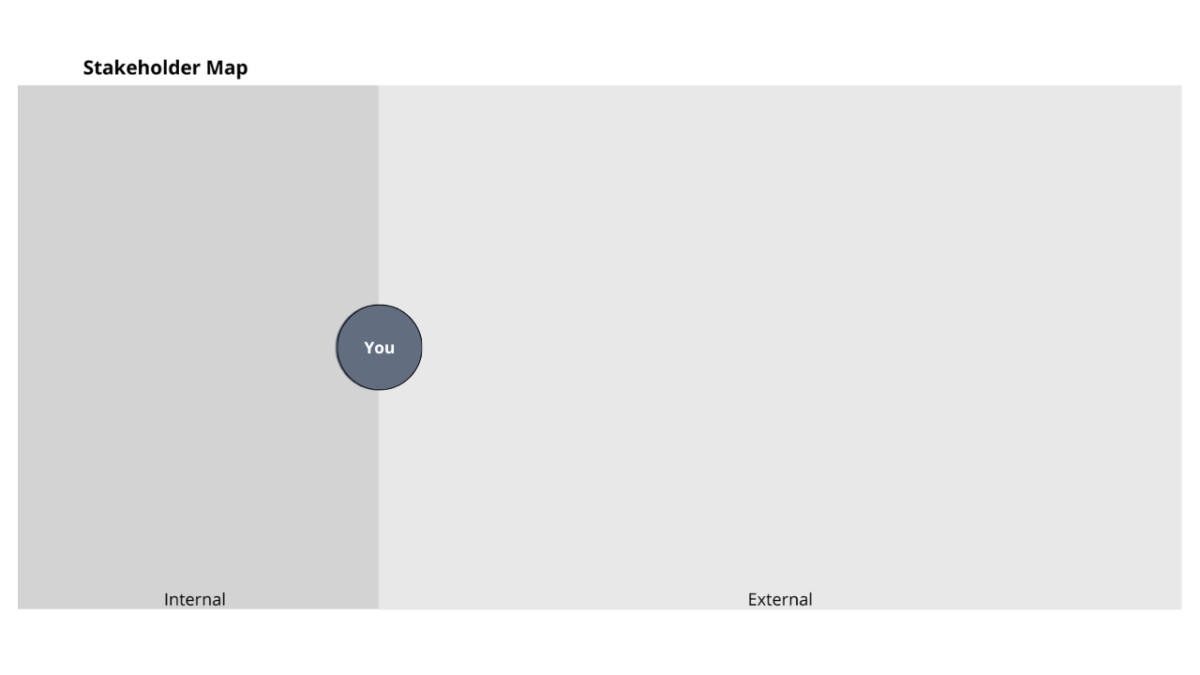
- Stakeholder Mapping
Programme Workbook

Templates
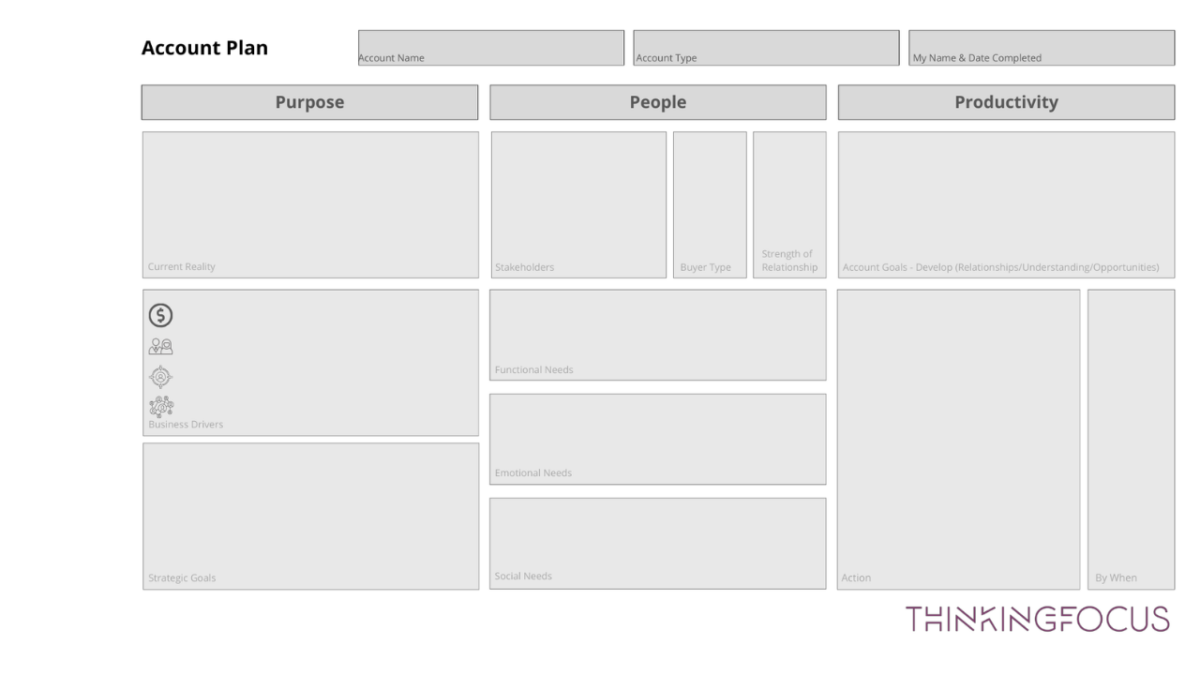
Click images to download the PDF worksheet